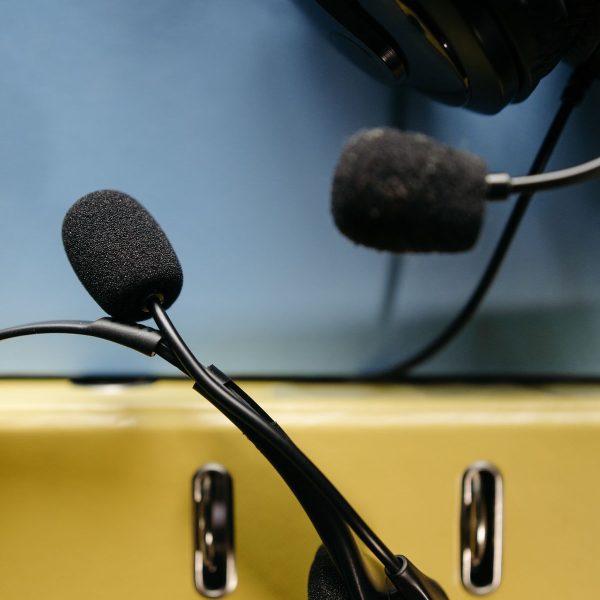
A regional customer service center realized during a busy holiday season that its walk in interpreter roster could not scale fast enough to cover a sudden spike in calls from non English speaking customers.
Why Walk In Interpreters Cannot Handle Every Spike
Customer service centers often rely on a small roster of in person interpreters for routine calls. The problem emerges the moment demand spikes and no interpreter with the right language pairing happens to be available.
Centers that ignore this gap often discover the real cost only after a customer hangs up mid call because nobody could bridge the language barrier quickly enough during a genuinely urgent request.
Choosing A Genuine Over The Phone Interpretation Company
Customer service operations handling sudden volume spikes need a genuine over the phone interpretation company capable of connecting a qualified interpreter within minutes rather than scheduling one days in advance.
A provider without this rapid connection capability can leave a call center scrambling during exactly the moment when speed matters most to a frustrated customer waiting on the line.
Remote delivery is the part worth pinning down in a contract. Phone is the obvious channel for a support line, though PoliLingua also interprets by video, and that option earns its place when an agent needs to show a document or read a customer reaction. For a routine billing query the phone is faster and the customer does not have to find a camera. Specifying which channel applies to which call type keeps the decision from falling to whoever picks up.
Reaching Ukrainian Speaking Customers With Real Precision
Centers serving Ukrainian speaking customers increasingly need interpreters who understand both everyday phrasing and formal customer service register rather than a generalist unfamiliar with regional expectations.
Providers serious about this audience increasingly commission dedicated ukranian translation support for phone calls and written follow up rather than relying on machine translation alone during a sensitive conversation.
The practice of connecting callers to a remote linguist by phone has grown into its own recognized discipline within the language industry as detailed on Wikipedia precisely because demand for instant language support keeps climbing across sectors.
What Separates A Dependable Partner From A Risky One
A dependable partner maintains a deep bench of interpreters across many languages and connects a call within a guaranteed response window rather than leaving a customer on hold indefinitely.
A risky partner treats every language request the same way regardless of urgency. This shortcut may work for casual inquiries but consistently fails when a customer needs help during a genuinely stressful situation.
Building A Vetting Process That Protects Every Call
Centers evaluating a new language partner should request a live test call handled by an independent reviewer rather than accepting a polished sales pitch that reveals little about actual response times.
Asking how a provider trains interpreters for customer service specific scenarios also reveals whether they build proper preparation materials or simply assign whoever happens to be available at that moment.
The Hidden Cost Of A Slow Language Response
A slow interpreter connection rarely fails during the call itself. The problem surfaces later when a customer abandons the service entirely because nobody could help them quickly enough the first time.
Correcting this kind of reputation damage after the fact costs far more than the original interpretation fee ever would have. The global language services market continues to expand rapidly and Statista tracks steady annual growth as more businesses recognize how much revenue depends on fast reliable language support.
Questions Worth Asking Before Signing A Provider
A handful of direct questions reveal more than a polished brochure ever could. What is the guaranteed connection time. How many languages are covered around the clock without advance notice.
Call centres serving several language groups are unusually sensitive to what is happening in the wider country. Benefit changes, immigration announcements and public health messaging all drive call volumes within days. Operations managers who track politics news can staff for those spikes instead of reacting to them.
Interpretation on a support line resolves the immediate call and leaves the underlying problem in place. Customers who cannot self-serve keep calling, which means the language barriers sitting in help articles, forms and error messages are generating the volume. Fix the queue by fixing what fills it.
Providers who answer these questions with concrete detail almost always have a proven process behind them rather than simply promising quality without explaining exactly how that quality gets delivered every time.
Preparing Teams Before A Seasonal Volume Spike
Centers that review their language coverage well ahead of a predictable seasonal spike give their provider enough time to reserve capacity instead of scrambling under unnecessary last minute pressure.
A short planning call at the start of a busy season often uncovers additional language pairs that would otherwise surface too late for the team to prepare for without risking customer satisfaction.
Measuring Quality Across Every Call Over Time
Centers that judge a language partner purely on a first call often miss patterns that only become visible once response times and satisfaction scores get tracked systematically across many months.
Reviewing this data on a regular schedule helps a center catch a provider whose quality has started slipping before an important season reaches customers without the reliability it deserved.
Training Internal Teams To Escalate Language Requests
Frontline agents who understand how to escalate a language request quickly prevent a customer from waiting through several transfers before finally reaching someone who can actually help them in their own language.
Centers that run a short internal session on escalation procedures often notice faster resolution times and far fewer complaints during a busy season when every minute on hold matters to a frustrated caller.
Coordinating Phone And Chat Support Across One Platform
Centers offering both phone and chat support often work with different interpreters across each channel and this creates real coordination challenges when terminology needs to stay consistent for a single customer.
A shared terminology base accessible to every interpreter involved prevents the confusion that arises when two different agents describe the same policy two different ways during related conversations with one customer.